★Manga Blast★
Manga inspired work and resources
None of my works, content, like-ness, text, etc. may be used to train 'AI', machine learning systems or systems with algorithmic models to achieve a certain goal or gain a dataset.
Hi! I draw and stuff
Welcome to my manga art realm. We go wayyy back and this is a style I adore most in black, white and gray with an occasional splash of color. I love Slice of life, horror, Sci- Fi and fantasy manga. I do not use AI powered anything and most likely will not in the future.
Read more hereThanks for stopping by! Message me using the form below.
You can also reach me by mail or insta DM :) ★

First week of may - Site is Live!
May 11 - Resource page is live and updated!
May 12-15 - Link to separate galleries
May 12-18 - Art of the Week (Antoni and myra)
May 12-18 - Resources update
May 19-25th - Art of the week (mer contest entry)
May 29-June1st - New art of the week and resources photos
Onomatopoeia!
Why do I use Japanese sound effects?
★It might be strange to some that I use Japanese sound effects as a non native speaker and I totally get that. For as long as I could remember I've loved watching anime, reading manga as a pre-teen and sharing that love with friends and family. The boldness, style and stories stuck with me and helped me figure out what I like as a reader and writer. I've always admired the usage of onomatopoeia/ sound effects in both manga and comics as it was so aesthetically cool and complimentary to the panel or page along with helping me understand context of the panel/detail. Instead of using the Romaji with the hiragana and katakana, I mostly prefer the latter complimenting an English version instead. That's just my preference and makes more sense as native English speaker.★---------------------------
★According to Japanpowered.com ( a site that I highly reccomend for usage guides and reference ):Japanese sound words divide into three families (Inose, n.d.):Giseigo mimic the sounds of people and animals.
Giongo imitate other sounds, like water, snaps, and pops.
Gitaigo represent emotions and visual events.------------------------------------
Personally I use Giongo and Gotaigo the most. Being able to shape and use whatever language that works best for you will help get whatever you want to convey across better.★
2009-10 drawings
Here are some drawings I've done on software( Photoshop 7.0 and GIMP). At the time I would scan my pencil or pen drawings and do the rest digitally. It's not much different today with the exception being neater linework and more careful with tones.

Uiio

Yuki cover

Yuki dark

Untitled

Sitting by the Moon


Why drawing can be an introverts best friend :)
Text
Read More continuedEver since the late 2000's I've been drawing manga style digitally, starting out on apps such as GIMP and Photoshop 7.0. I would use either of these to add tone to my traditional works that had been scanned through my clunky but mostly reliable Brother all-in-one printer(MFC-J475DW). My computer sucked as it was a dinosaur that did not work half the time, but I managed lol. I wish I remembered exactly what it was( maybe a gateway) but I'm pretty sure it was from 2001 or 02, was really loud and weighed like 30 pounds. It belongs in a computer museum! I eventually switched to CS3, Manga Studio EX, Paint tool SAI v.2 most recently Clip Studio Paint EX. These days I like to use a combination of traditional with digital tools to make the process smoother. For example, I prefer to ink traditionally( about 80%; the rest I add digitally or clean up digitally) and add tone or color digitally. Here you will find some of my favorite illustrations throughout the years.
Resources for making your own comic/manga!
Mangadex.org has manga to read and a screen-tone pagemangadex tonesIt looks like this is the only screen-tone resource on mangadex, but it's a good one with various screen-tone. Uploaded by Bocchi-sensei|Manga techniques on deleter.jpOne of the best resources for manga tools and resources on how to draw manga with specific techniques.
deleter manga technique
|
Clip Studio has plenty of assets and tutorials to help bring your manga/comic, animation or illustrations to life! There's both free and paid content as well as monthly challenges and contests .
clip studio assetsA good screentone pack
Manga screen-tone pack 1Cool brushes
A set of aerodynamic toolsMore Pens & Hinokizaka pens ( to simulate the real ones )Day and Night glass brushes sharpManga screen-tone - dots by alexanderblackdayIf you would like to try traditional screen-tone, deleter sells them here -
Since most are sold out, I like to use this site as reference when I'm looking for specific tones. I.C. is another decent brand..
There's other packs and brands on sites like ebay, etsy and amazon as well!
Keep in mind that if you're new to traditional screen-tone to factor in all the materials you'll need for what you want to achieve if you don't have much or are just getting started. I recommend hybrid if you want to save money. What this means is if you're really wanting to try screen-tone, invest in a kit or find tone on sale. If you prefer traditional over digital, try getting the basics first ( pens, paper, rulers, etc. ) and save up for a few different tones for later. Skin, background, special, etc.........................
That's all for now. Please check back weekly for updates! :)
Color & BlackxwhiteCharacter Sheets-WIP-

The Holy Fool

Stephanie Putty ( Morel Orel )
![Altogether(Naruto)]()
Altogether(Naruto)

Mourning Rose dithered
![King of the Seas Edited]()
King of the Seas Edited
![Ryst]()
Ryst
![Ori 8]()
Ori 8

As Above So Below
![Death Brigade]()
Death Brigade
![Magi collage edit]()
Magi collage edit

Hoarding between light and dark - redux

Future Giants


Antoni & Myra

Prince Rem


Manga pages

Weird Beginnings - Kat Blaque

5D Flip Lord - Pierre

Weird Endings - Luke Kono


Digital Scans
Here you will find various scans from my books that have helped me along my journey to become a better comic/manga artist. How to Pen and Ink is one of the best books on drawing and inking manga jam packed full of tips and knowledge of the trade from various professional Japanese manga/ video-game artists. These pages aren't locked so feel free to download. I will also be including different books in the near future with a list below :)
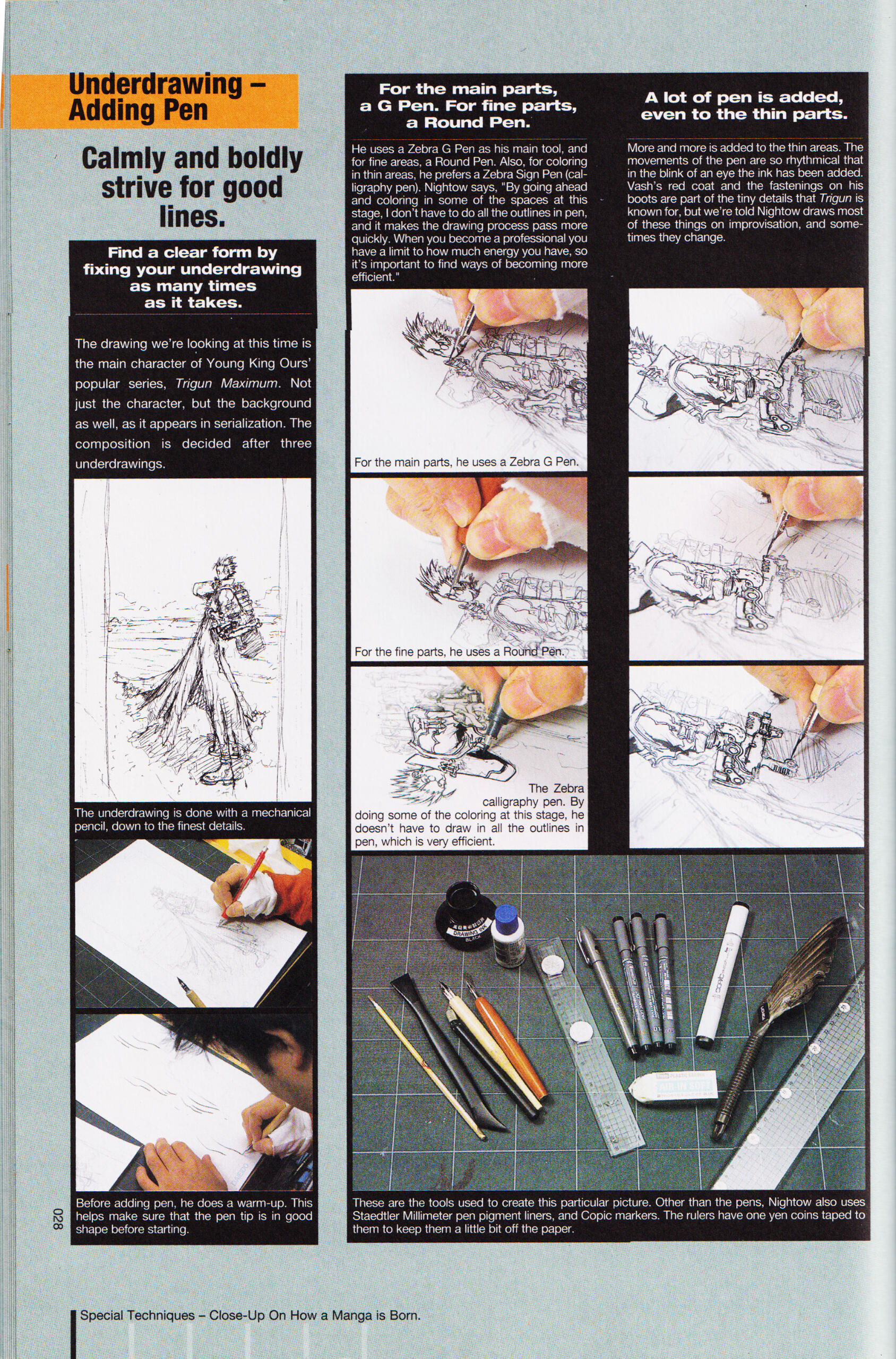
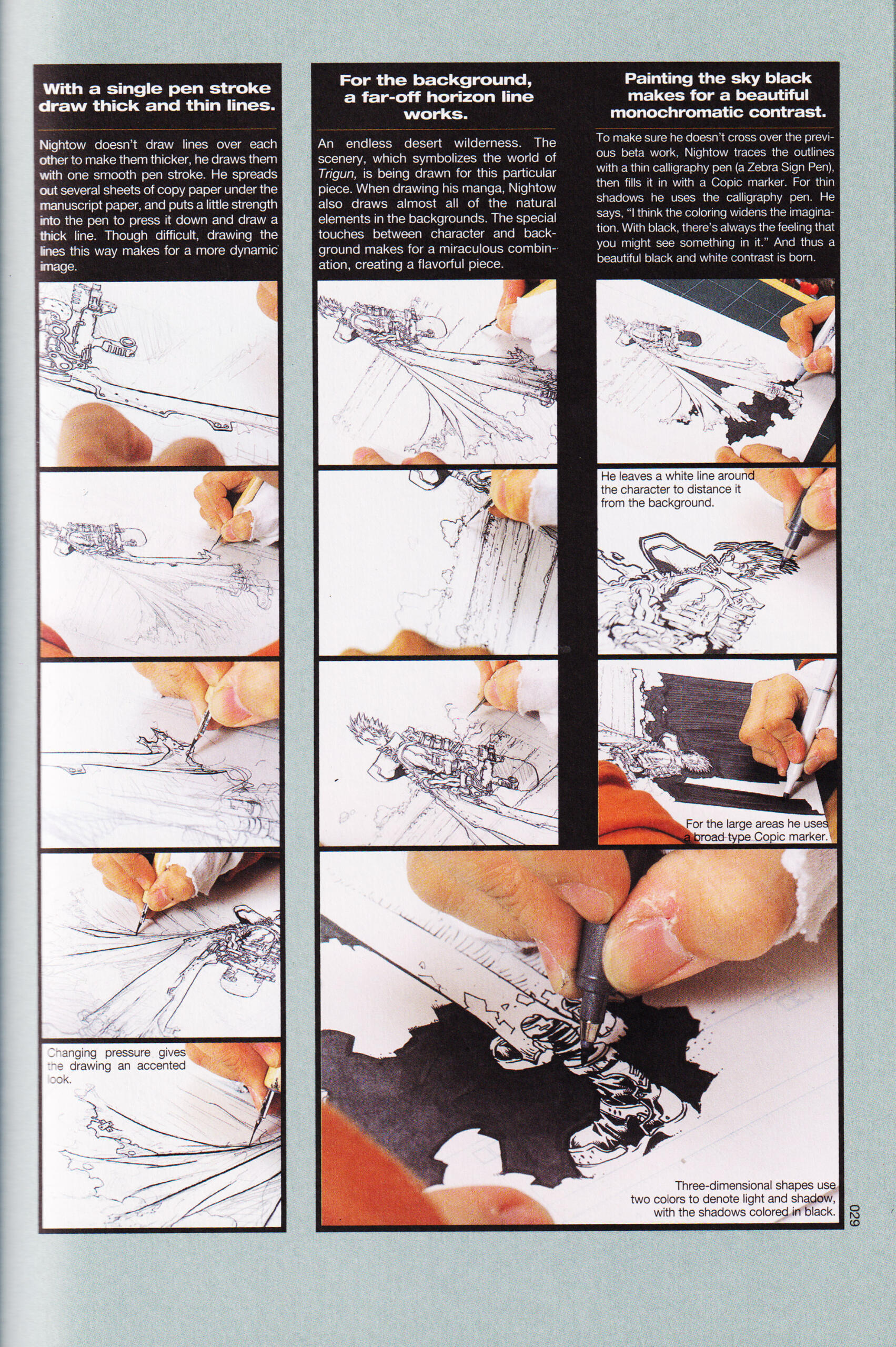
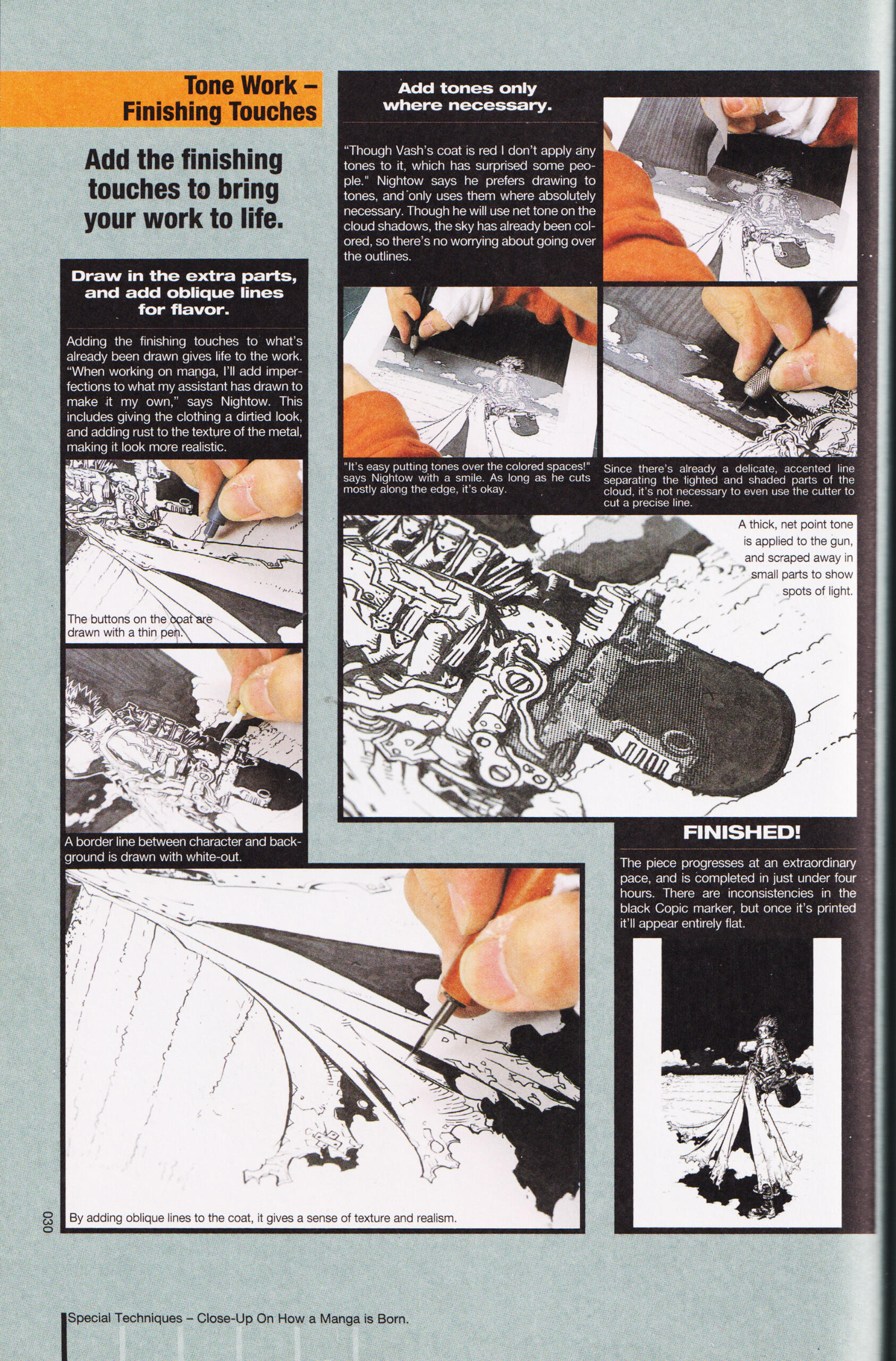
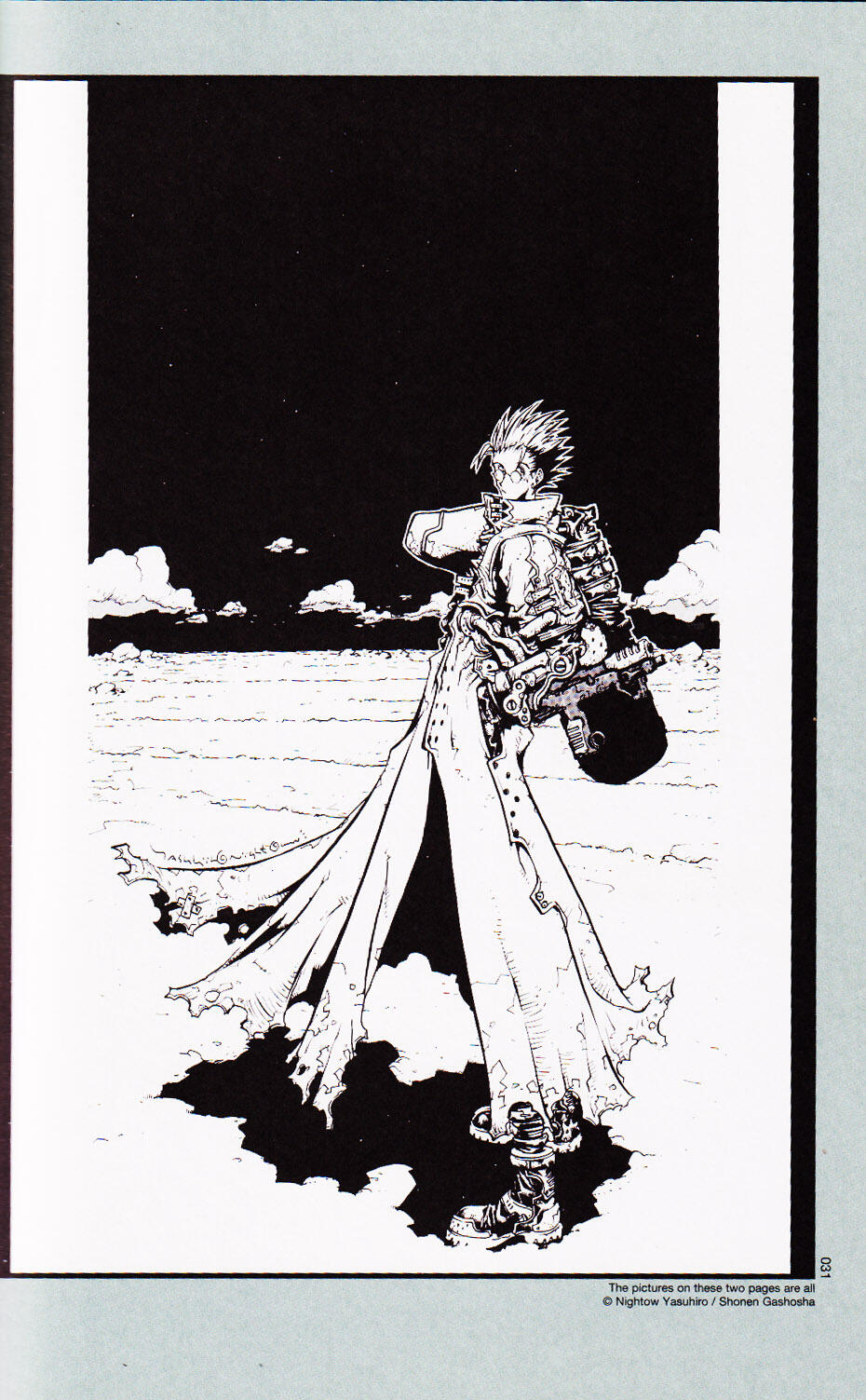
Below are scans from How to Pen & Ink featuring techniques from professional and popular artists like Yasuhiro Nightow (Trigun) and Satoshi Shiki (Tenjo Tenge, Oh! Great) - To be updated regulary -

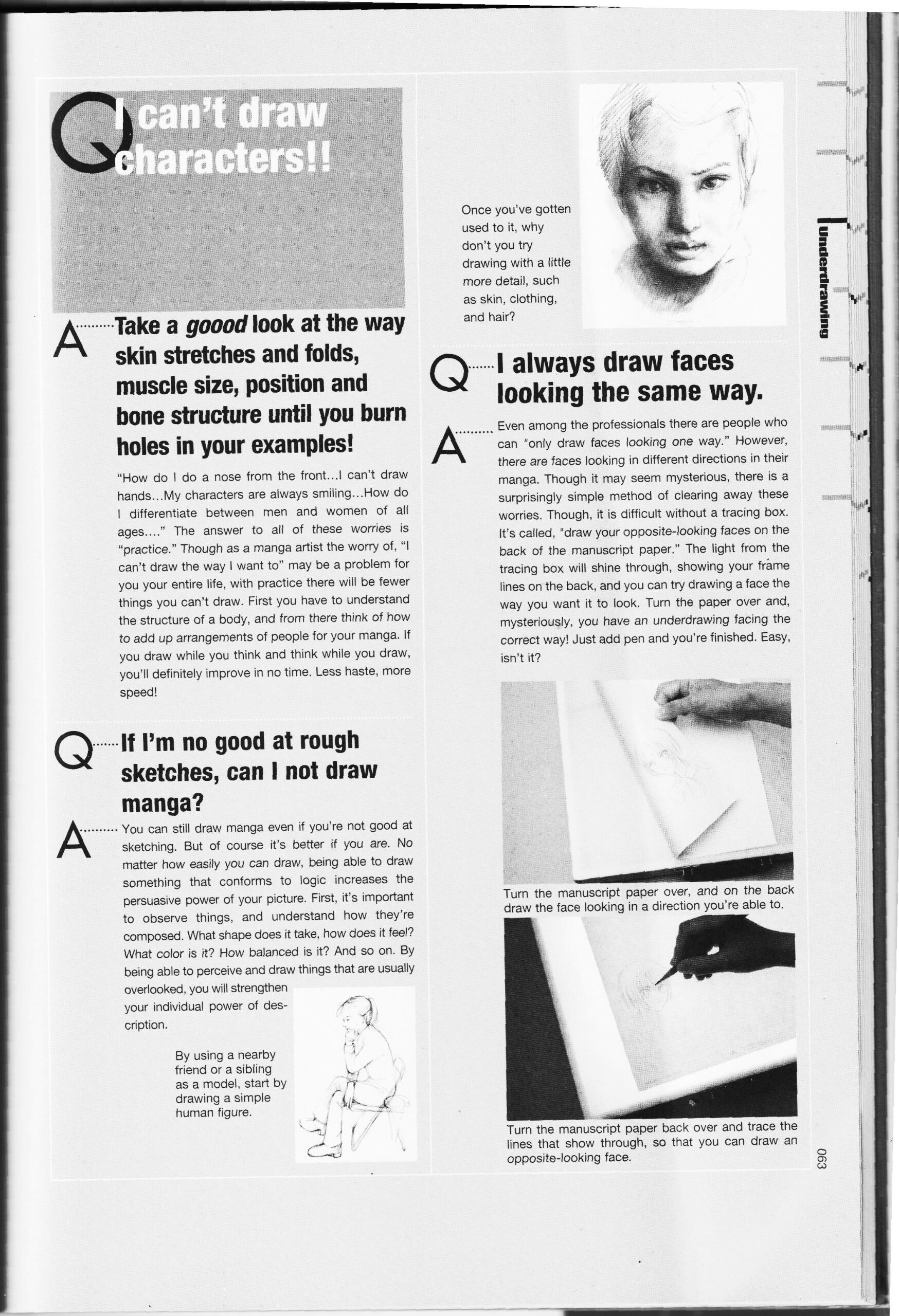
What type/style of manga artist are you?

Drawing Characters

I can't draw characters!

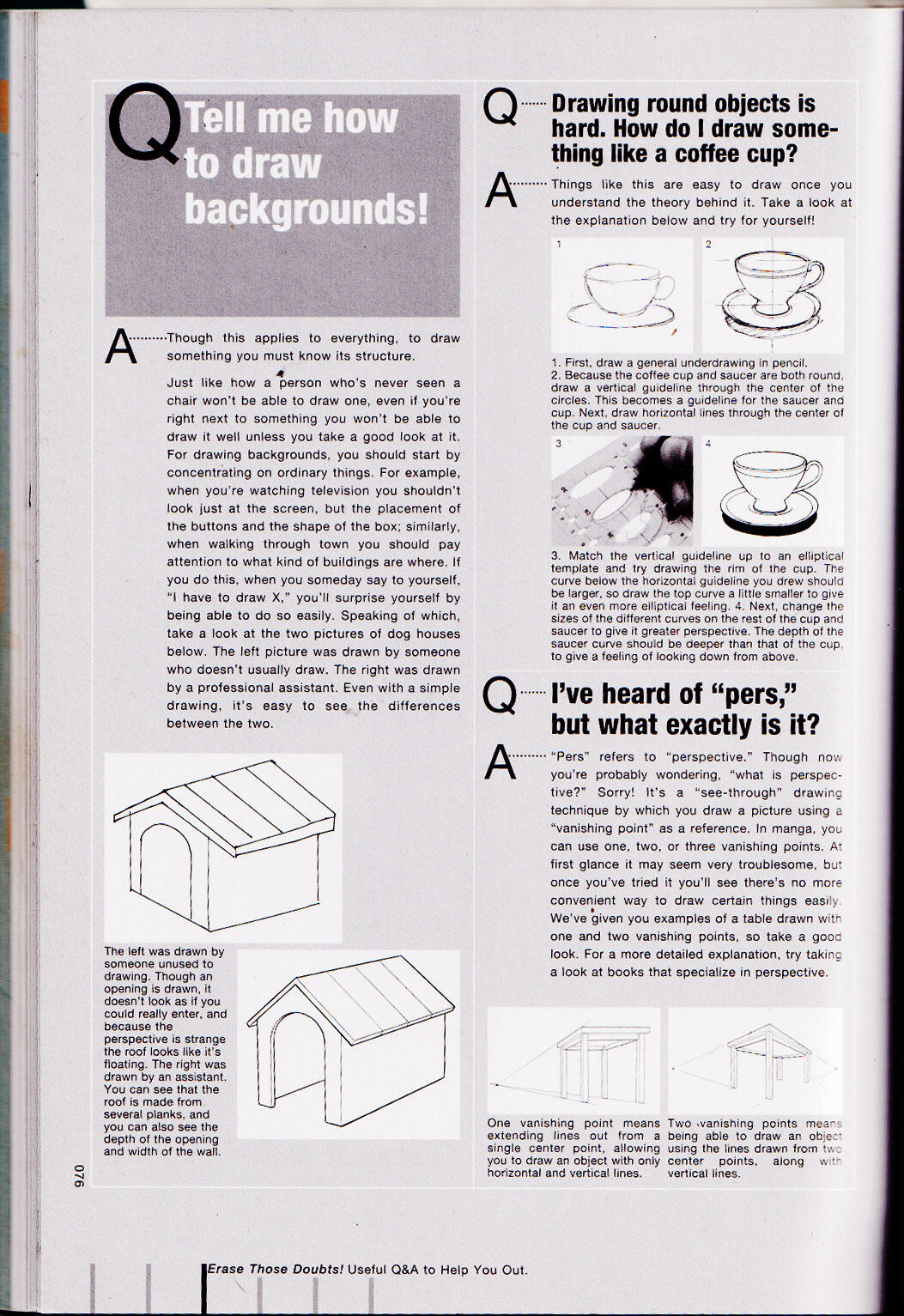
Backgrounds 1

Backgrounds 2

Yasuhiro Nightow Pen techniques 1

Yasuhiro Nightow Pen techniques 2

Yasuhiro Nightow Pen techniques 3

Nightow penning fin

Finding Inspiration feat. Japan


We all have to start somewhere! And if you're further along there's no shame in building skill or practicing on things that need work. For example, at the time I bought this book, I was struggling terribly with perspective and hands. I'm still not the best with them but have practiced more using real photo references and gotten more comfortable with practicing and showing hands in my work. As for perspective, investing in some decent rulers or a perspective book(with under-drawing sheets) help greatly. Overall developing your style and drawing things you're not comfortable with will make you a stronger artist overall.
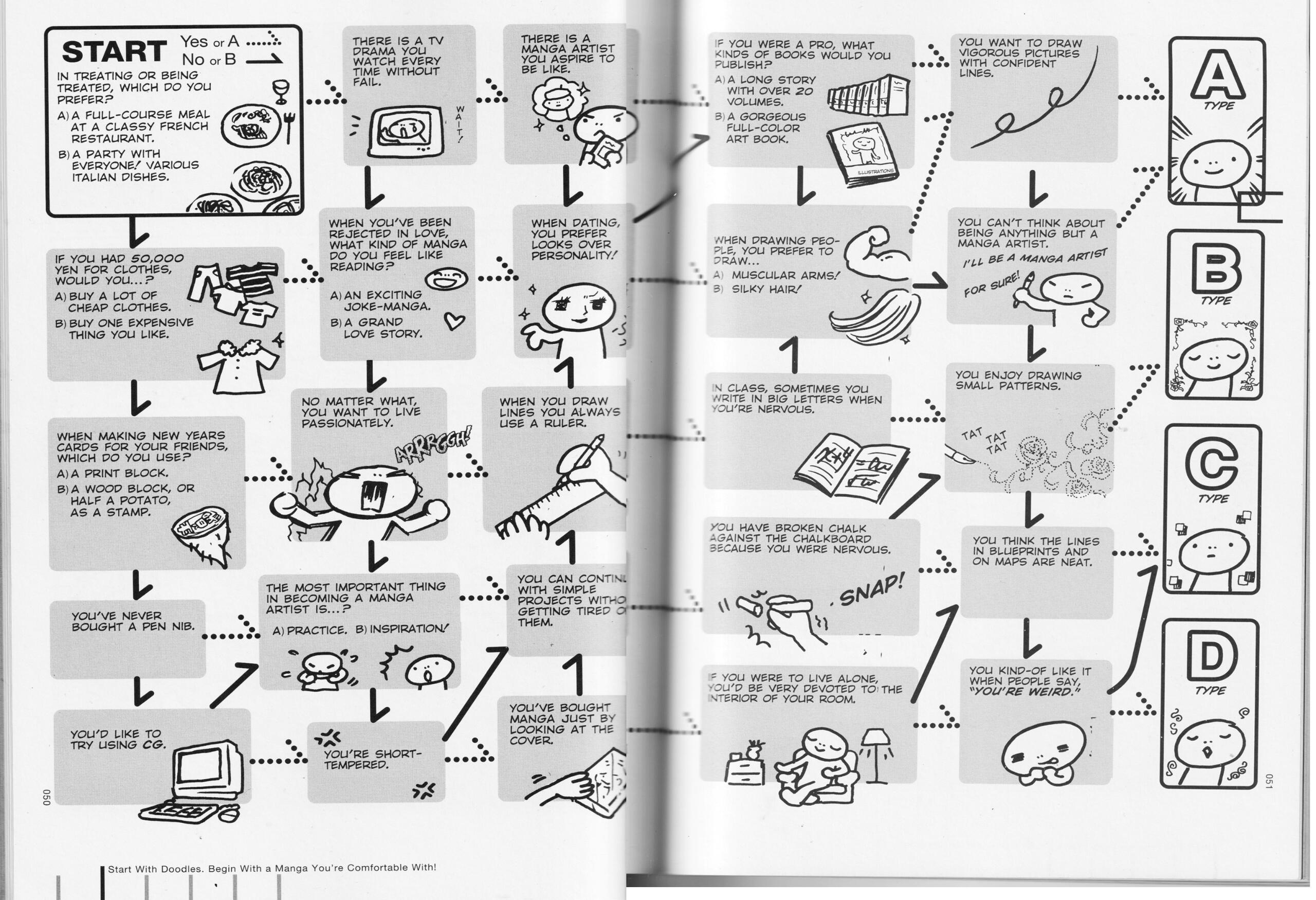
What type are you? This fun page helped me figure what style and lines suit me but it also validated what I'm already into. I'm actually type A and B as I am obsessed with lines, patterns and detail work. While I'm not fixed on the idea of being nothing but a manga artist I do want my work to be stronger in presence and stand on it's own as my distinctive style.
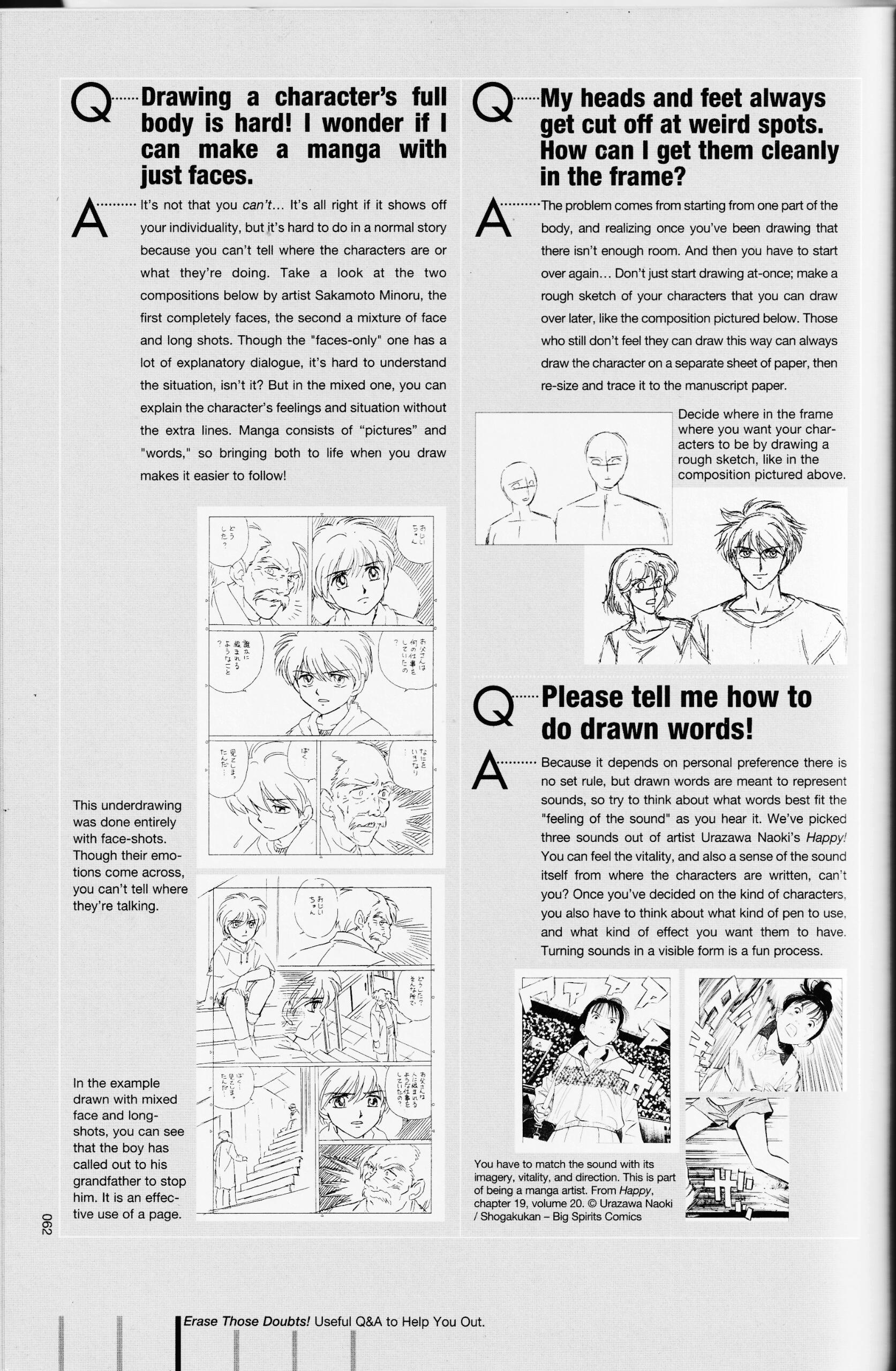
The importance of under-drawing, face focusing/ expression and onomatopoeia on this page! Starting out with manga, I was very comfortable drawing faces and mostly faces then gradually introduced half bodies, more backgrounds and full bodies. The point on this page however is that if you insist on focusing on mostly faces or your manga/comic relies on that, than it's important to express them well to convey your pages and story. With my under-drawings I find that I end up cutting off a lot at times (hands/parts of faces or even lower bodies) during a later stage in the process, but it's a lot easier to manage vs. if it was the other way around.
The writer's story was based in a world ( mostly Japanese based) that looked historically traditional with lush flora, mountains and hills. I appreciated drawing this as it pushed me out of my comfort zone in terms of research,endurance and collaboration. I also haven't has a lot of experience drawing digital environments at the time. As much as I enjoyed drawing some of this world, it also highlighted why I've been drawn to it ( no pun intended ) :P
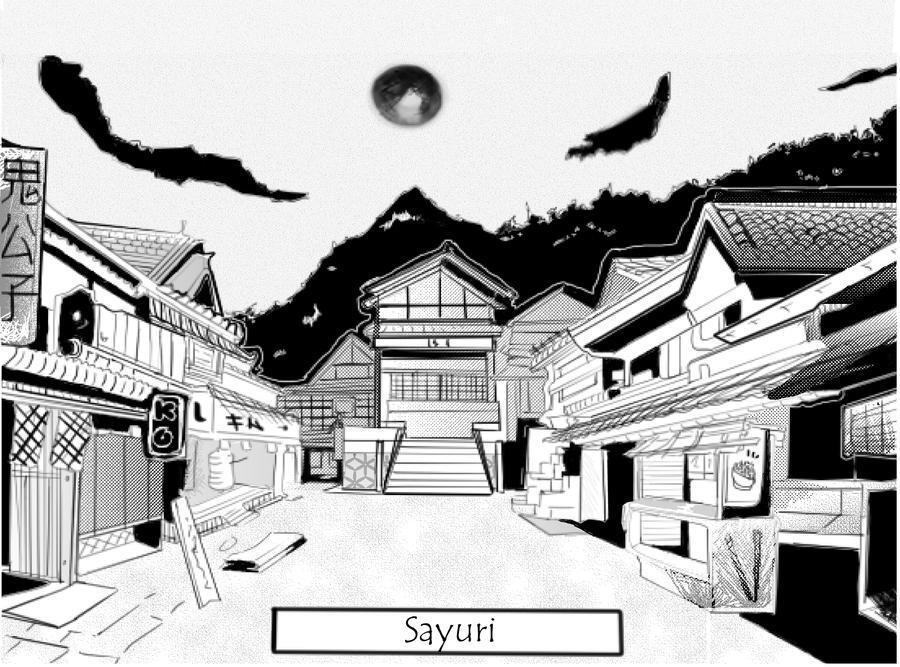
For me using perspective rulers is essential whether it's digital or physical! Take the image above for example. At the time I was using Manga Studio EX4, and although it's a bit rough in areas, the style, perspective and lines are strong enough to hold the image together. The grid lines and perspective rulers saved me a lot of headaches and once I got over the initial hurdle of self doubt ( especially because this particular work was a part of a collaboration with a writer and I didn't want to let them down), my anxiety became more manageable lol.
You won't be able to learn a specific detail or body of what you're trying to understand if you don't learn to study references by copying them. All types of artists use references for just about anything because surprise, not everyone knows how to draw everything straight from their imagination. You're welcome to try of course, but chances are if you have a poor understanding of whatever you're trying to draw, it won't reflect the visual reality of it ( if it's 3D based at least), won't look as appealing and that will likely disappoint you and that sucks, right? Or maybe you're an artistic genius with amazing mimetic abilities and can draw anything they see from just looking at it once. If that's the case, hat's off to you, but you're the exception here :DNow if you're stubborn like me and want to try anyways, then compare it to the a version from reference and you will see first hand how much of a difference it makes like the first page from the book above. The aim is to get comfortable learning or knowing the body of something so when you want to draw it for a project in the future you'll just have to focus mostly on the details which requires less time :)There's a difference between plagiarism and reference, as the former is straight up theft and the latter leaves most of the creative direction and style up to you which usually comes with a lot of tweaks, hence the finished work will be very different. Also, ask yourself this when you're drawing a scene, building, etc.: Is there a theme? What's the culture/atmosphere/geography/ geology like here? What elements can I add to make this look believable even if it's a far out futuristic scene or a hellish otherworld? Once you figure out these, gather the references you need to bring your vision to life. Architectural books like 'The Elements of Style', 'Architecture: Residential Drawing and Design', Jutaku: Japanese Houses and 'Architecture for Doll's Houses' are great go to's for reference material and understanding design for the modern world or older periods.
The last one is geared toward doll house makers or owners, but this book can also work as it focuses on specific elements and designs that makeup different types of houses. I find that the info in these books are must haves if you also happen to be into stop motion animation and your sets require a type of architecture or detail you want to build. Magazines and books that focus on architecture, 3D modelling for worlds, geography, cities, suburbs, etc.can help immensely giving you insight on the trends of the time as well as what's aesthetically pleasing or marketable to stand out from whatever competition is/was present at the time.
So if your story takes place in the 50's for example, it would be wise to look up free material first (like your local library if you have the privilege), Internet Archive or other online image search sources or websites like Wikipedia.
---------------------Home ⭐Digital Scans

Myra quick sheet

These are some of the places besides Tokyo that I think are great for style influence if you admire Japan as much as I do. Also, these look like places I could see myself living at! (I'll throw in Tokyo anyways lol)
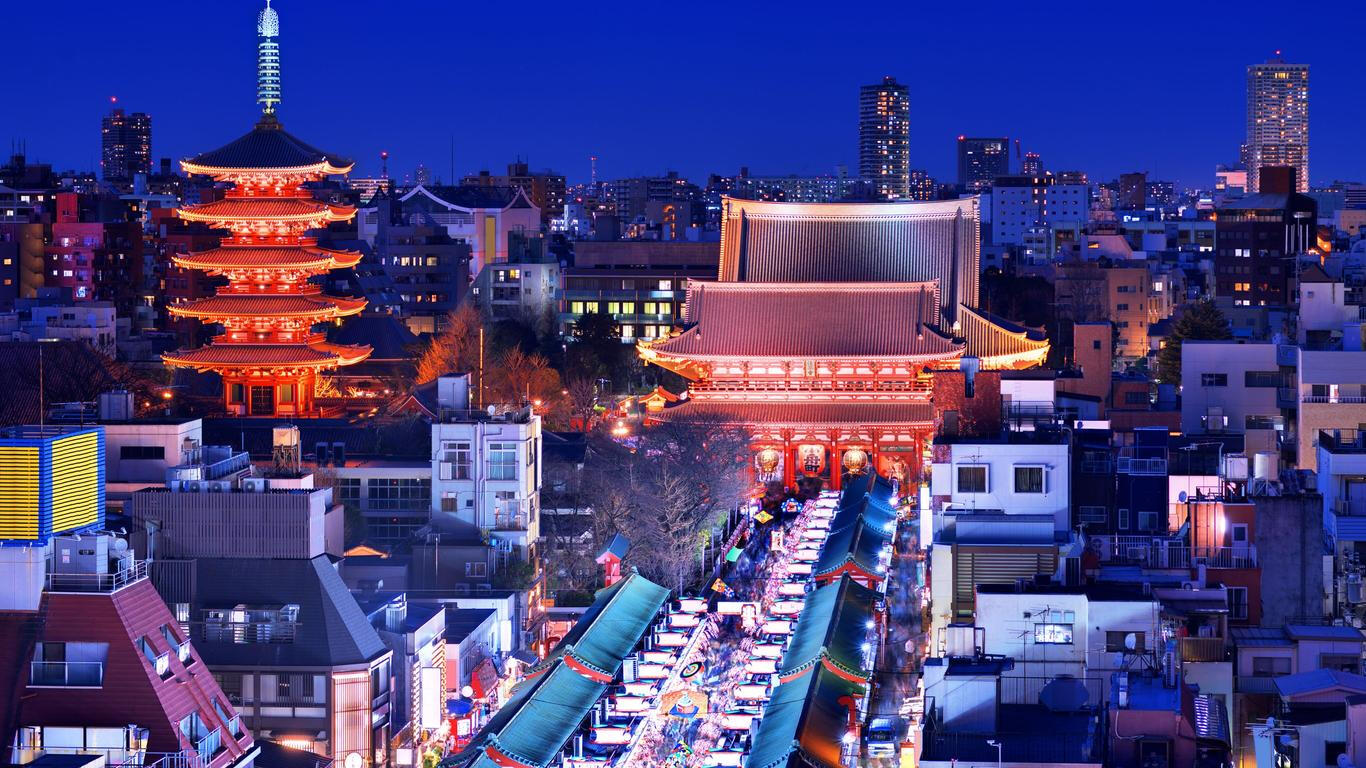
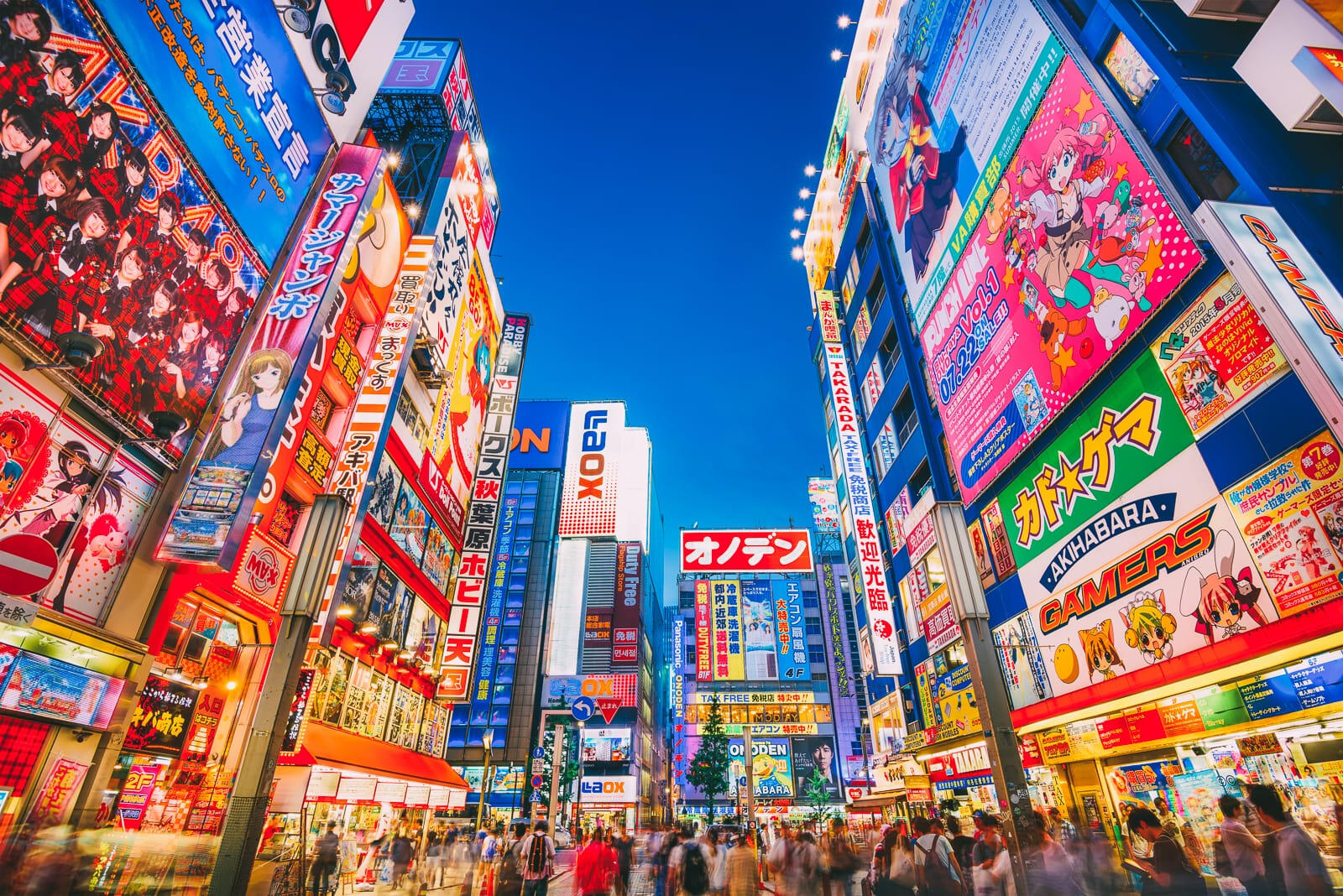
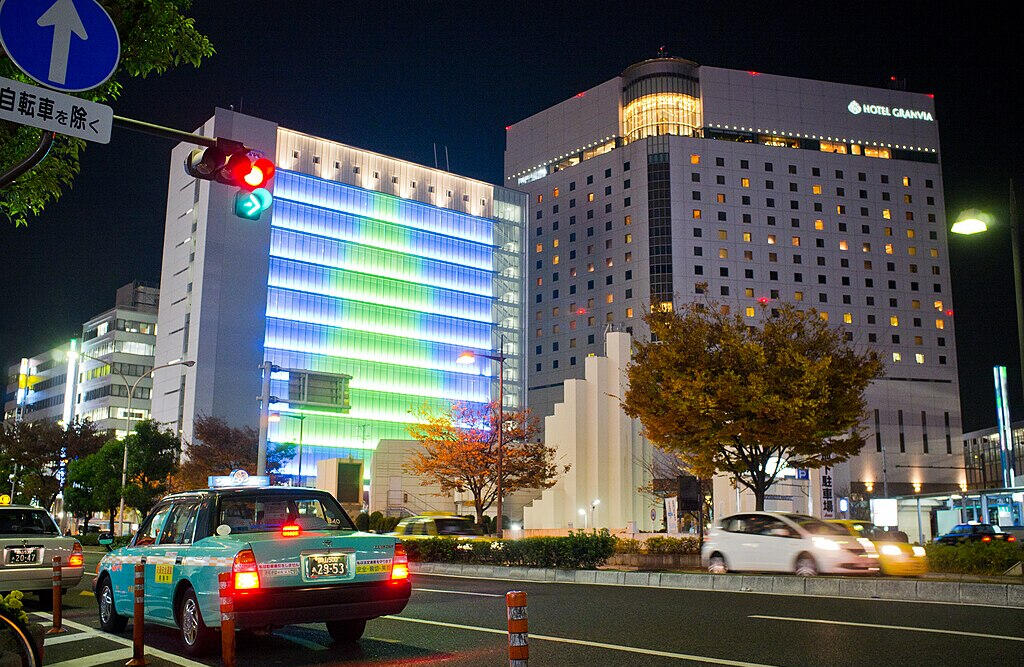
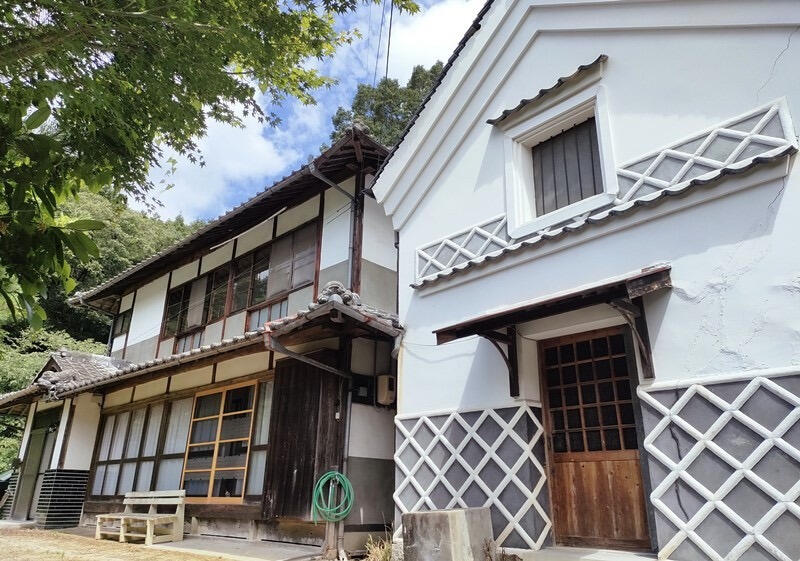
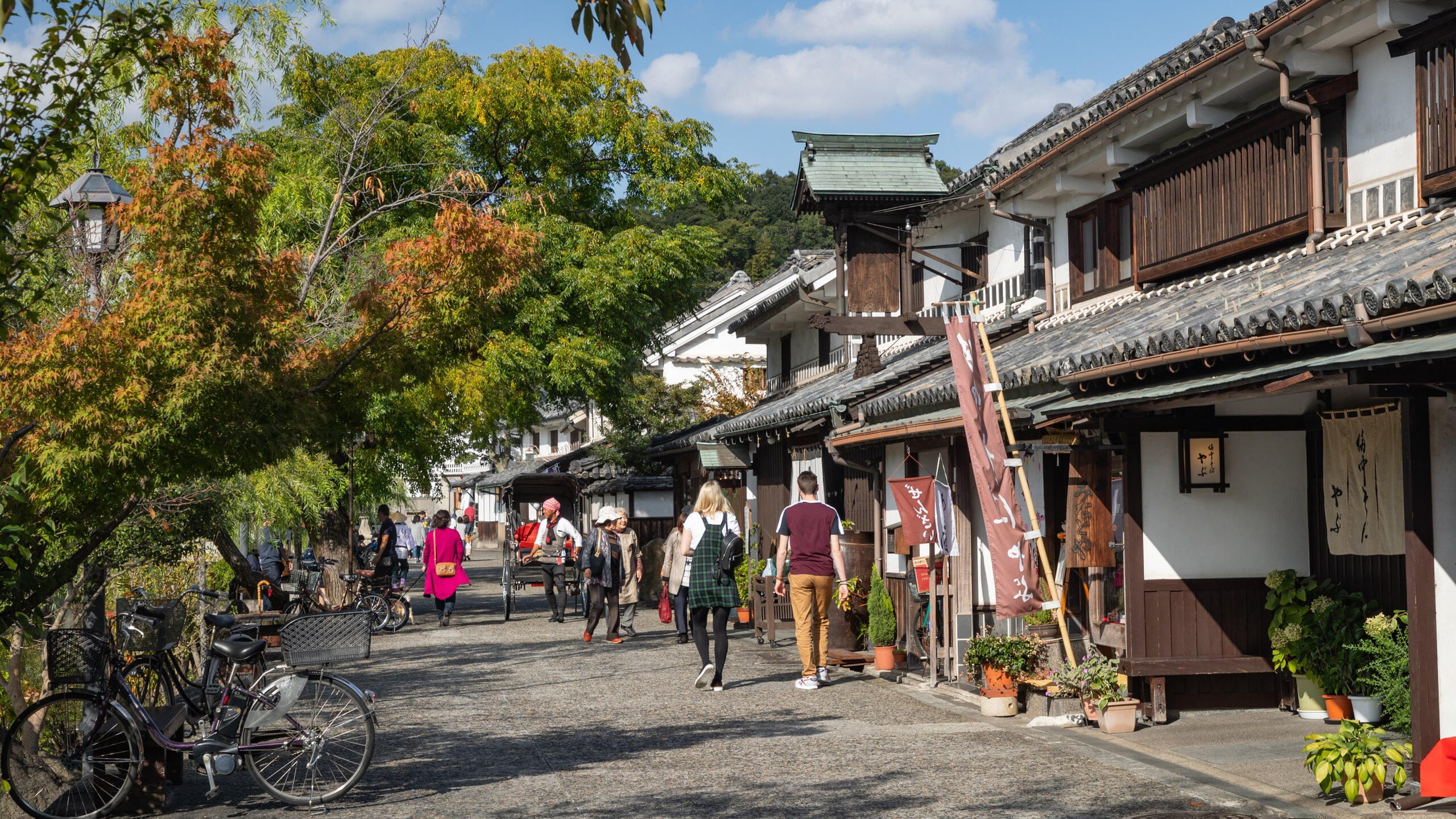
housesOkayama, home to Masashi Kishimoto ( artist and creator of Naruto ). A prosperous city of commercial trade and culture for hundreds of years, Okayama lends it's success to it's land and sea routes which was a major factor into Japan's growth. The traditional homes here were oriented according to zodiacal principles. They had features such as thatched roofs, specials woods and posts.About Okayama
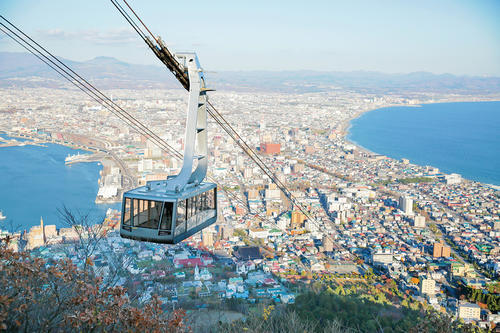
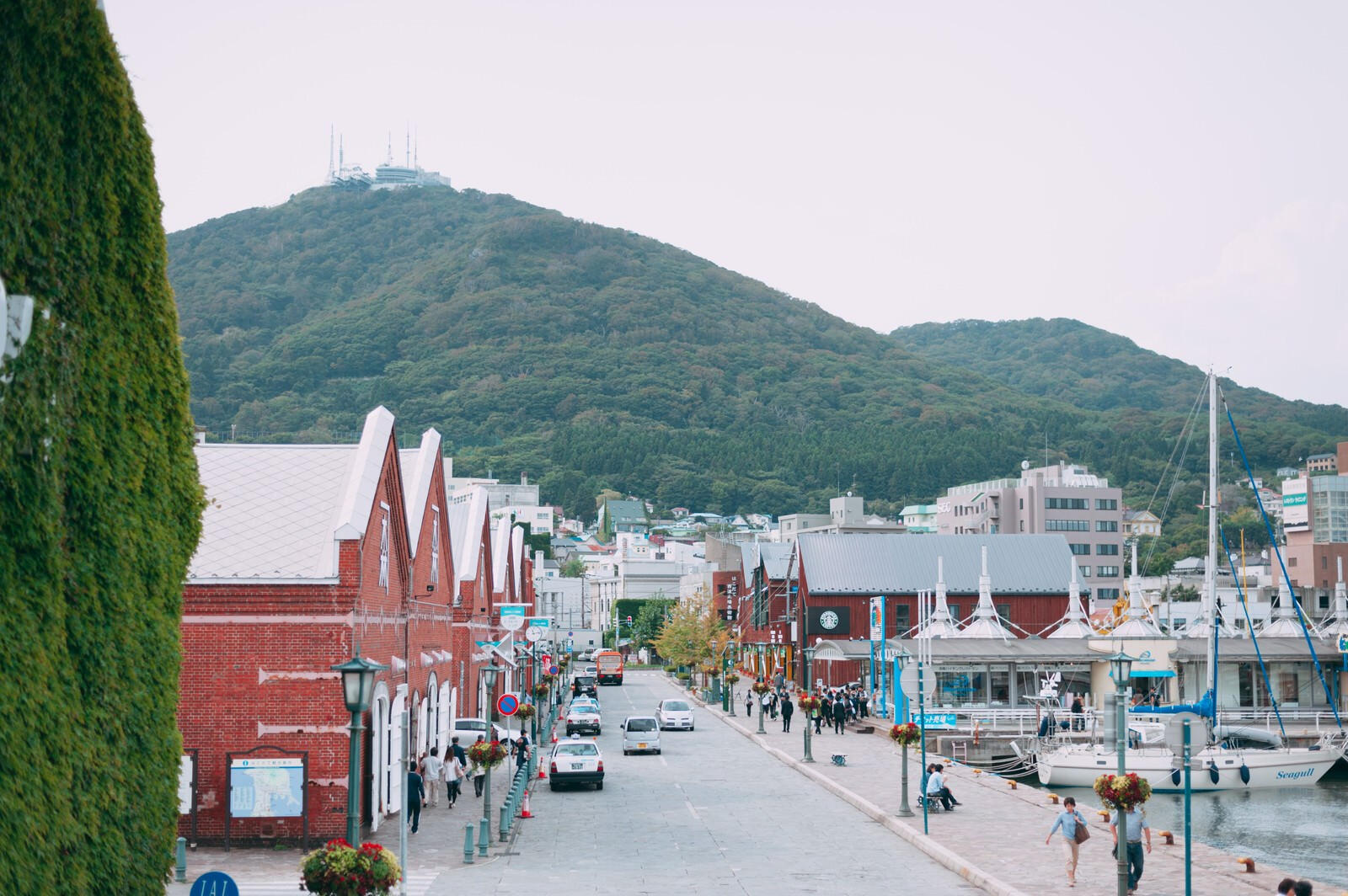
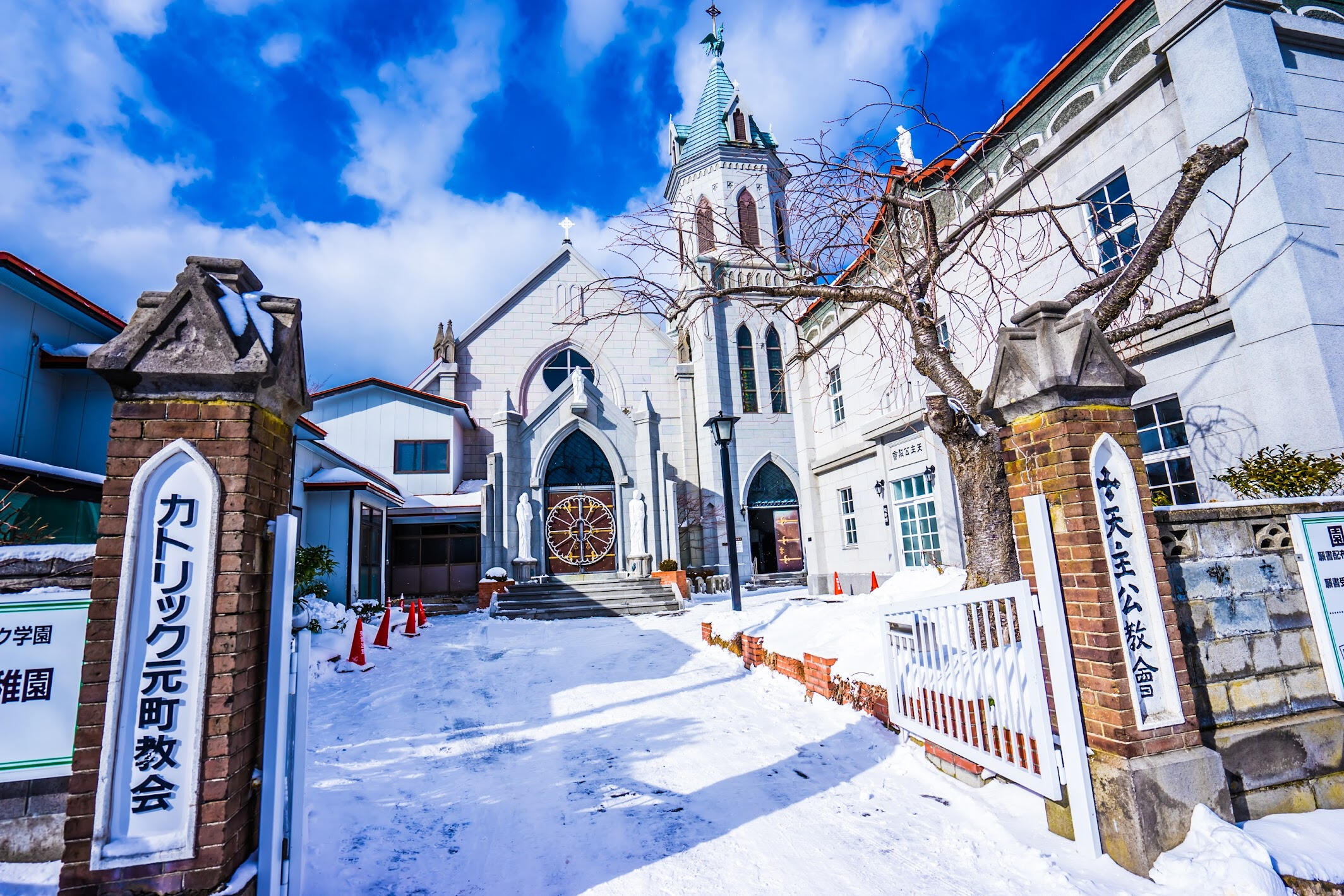
Hakodate, home to indigenous Ainu people and one of the first places to open trade after the end of Japan's Sakoku policy. Hakodate became a powerful trade center and adopted European ideas and architectural style during the latter half of the 19th century. Uptown Momotachi especially has a large influence of European style buildings as it was a cultural center of the city in 1854.https://en.japantravel.com/hokkaido/european-architecture-in-hakodate/37958
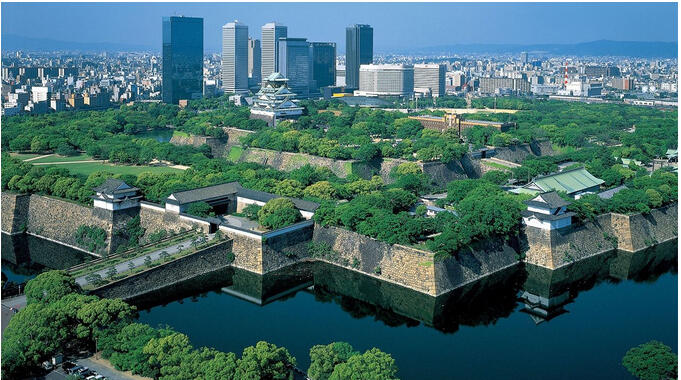
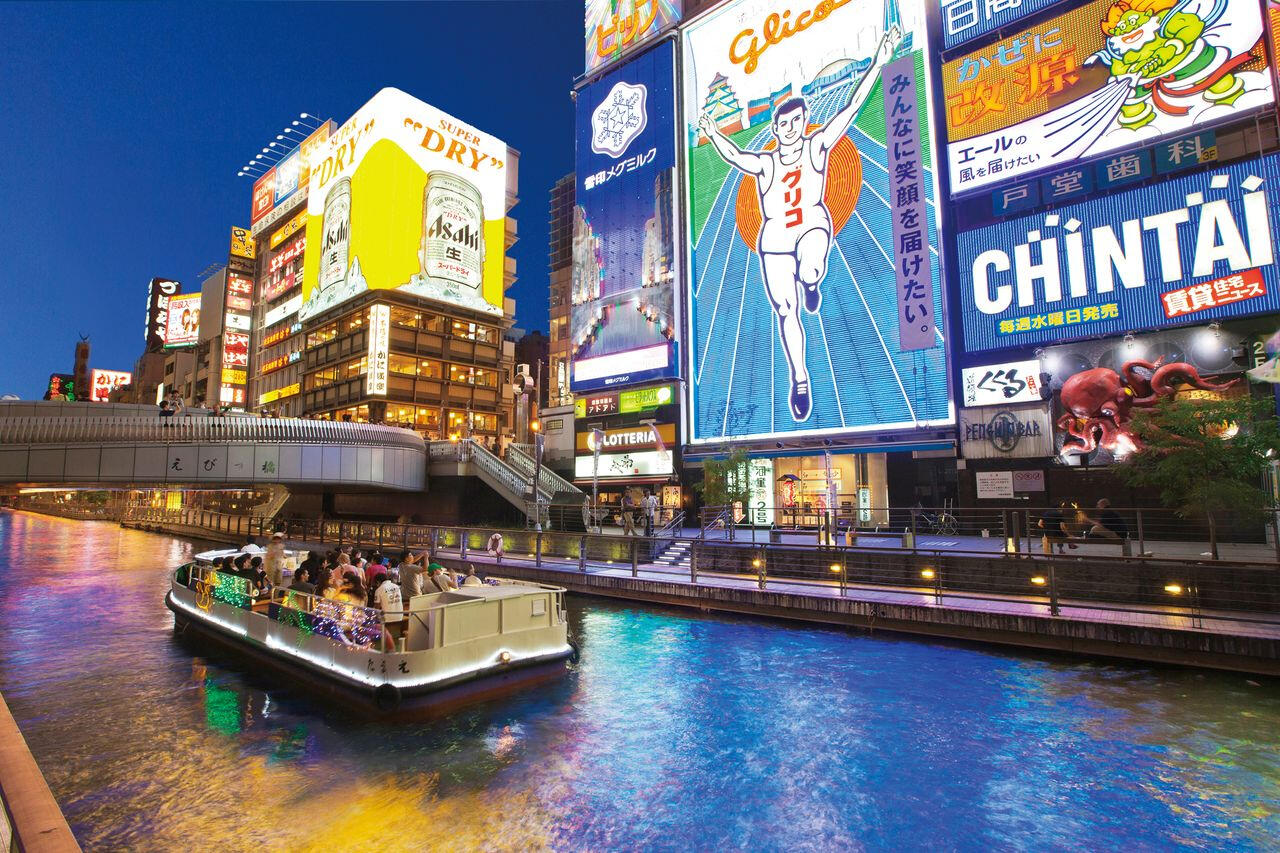
Osaka has a strong connection physically and historically to water, home to ancient sediment peninsula and waterways built by the Toyotomi clan. Also known as the “kitchen of the nation", Osaka became a bustling trade center.” The Edo period was a favorable time as residents enjoyed arts, theatrical and otherwise), literature and pursuit of scholarship.About Osaka
One of the things I've always admired about Japan is the blend of the culture/people, traditional architecture and technology with modern ones like communicative - eg. TVs, cell phones, electrical - eg. computers and transportation - eg. vehicles ). Japan is also known for it's futuristic blend of technologies and architecture. I like how subtle or stark these can be from the homes and temples to skyscrapers and Holo/LCD screens. When i think of "Japan" I also think of "futuristic." Other than manga and anime, Japan is widely known for their spiritual beliefs, culture of discipline, homogeneity and technologies. Japan has had the unique experience of surviving two atomic bombs, causing mass devastation and trauma in just about any and every way one could think of only to develop one of the fastest growing economies in the modern world. Japan has a rich history of it's rulers, arts, traditions and culture that continues to influence media today. Japanese media and culture has adopted from others to incorporate into work as source of inspiration. I often notice that media borrows from of other Asian cultures like Chinese, Thai, Korean and Indian. I've seen cyber punk, Noir, Spaghetti western, Hip Hop, Rock, Victorian, etc. themes , elements and styles and it's often done in such a cool and stylish way.
Speaking of which, there are just a handful of favorite anime/manga that influenced and inspired me. If you're also familiar with these, you'll notice a commonality among some of them. Inuyasha, Fushigi Yugi, Samurai champloo, Gantz, FLCL, Ghost in the Shell and Animatrix .
Even though I've watched these years ago, I never forgot the story, characters and environments and how they made me feel.❤️

Inuyasha

Fushigi Yugi

Samurai Champloo

Gantz (I prefer the manga)

FLCL

Ghost in the Shell

Ghost in the Shell

Ghost in the Shell

Animatrix

Animatrix

Animatrix


